

Understanding the psychology behind gambling in modern casinos
The Allure of Risk
Gambling draws many people into a unique cycle of excitement and risk. The thrill of potentially winning big creates an adrenaline rush that many find hard to resist. While some might argue that gambling is simply about chance, there’s a psychological aspect that influences behavior in these modern establishments. It’s essential to understand how risk-taking drives the gambling experience and keeps players engaged.
Many casinos exploit this allure by designing their environments to enhance dopamine release, making patrons feel pleasure when they bet. The anticipation of a win creates a psychological high that can lead to repeated plays, irrespective of actual financial gain. For those intrigued by the connection between emotions and gambling, read more about how this risk becomes a disorderly chase for highs.
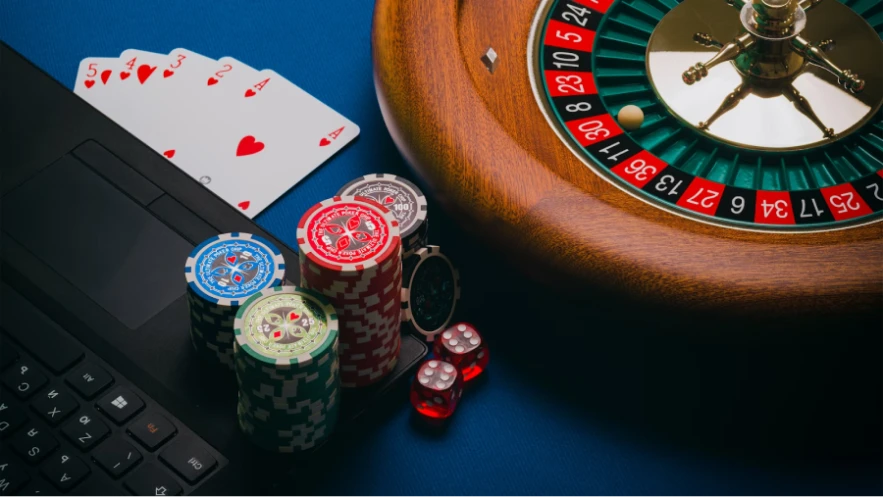
This cycle of exhilaration can create an obsession with taking risks. For some, the thrill is not just in winning but in the act of gambling itself, which can lead to escalating behaviors. The combination of potential loss and the desire for reward can keep individuals engaged for longer periods, making it difficult for them to walk away even when awareness of adverse consequences arises. This intricate interplay of emotions highlights the depth of psychological influences that govern gambling behavior.
The Role of Environment
The environment within modern casinos is meticulously crafted to keep players engrossed. Bright lights, lively sounds, and the scent of enticing food create an intoxicating atmosphere that encourages extended play. These sensory cues contribute significantly to the overall experience, making it hard for individuals to leave once they step in.
Moreover, the layout of the casino often promotes prolonged gaming sessions. Tables and machines are arranged in ways that prevent easy exits, subtly encouraging players to stay just a little longer. This design strategy taps into psychological principles that suggest the more time spent in a given environment, the more attached one becomes to it, further increasing the likelihood of gambling engagement.
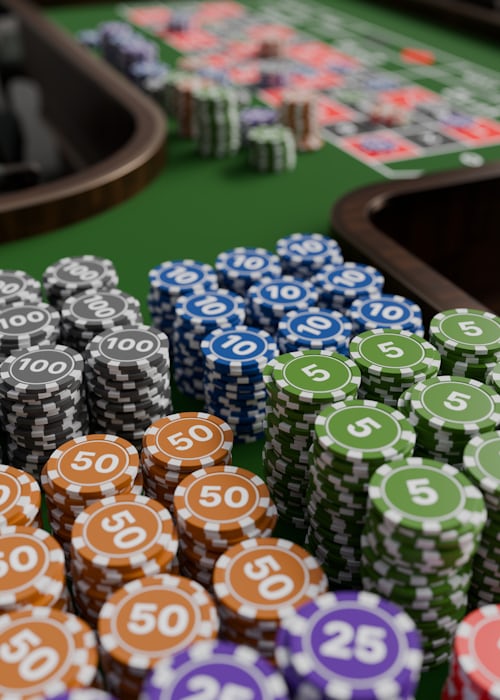
Casinos also incorporate features such as free drinks and comped meals, creating a sense of hospitality that further entices players to continue gambling. Constant reinforcement through rewards, be it small wins or complimentary perks, fuels the desire to stay in this stimulating environment. The overall ambiance creates a false sense of comfort, leading individuals to underestimate the potential risks associated with prolonged gambling.
The Influence of Social Dynamics
Modern casinos are not just about solitary gambling; they also thrive on social interaction. The presence of other players can amplify emotions, making victories feel even more exhilarating and losses less significant when shared. This social aspect plays a significant role in the allure of casino games, as players often feed off each other’s energy.
Interestingly, the community aspect of gambling can lead to what psychologists call “social reinforcement.” When individuals observe others winning, it can create a false sense of inevitability that they too will hit it big. This shared journey not only enhances enjoyment but also deepens the commitment to continue playing, fostering a cycle that can be hard to break.
The camaraderie formed in these environments can also lead to a sense of belonging, further embedding individuals into the gambling culture. For many, shared experiences in gambling contribute to lasting friendships and social networks, which can further normalize the behavior. This interconnection of social dynamics and gambling often perpetuates a loop that makes it increasingly difficult to disengage from the experience.
Behavioral Patterns and Addiction
Addiction to gambling is a serious issue, and understanding behavioral patterns can shed light on this phenomenon. Many gamblers may start with a controlled mindset but can gradually transition into compulsive gambling based on the reinforcement of wins and the anticipation of future successes. The brain begins to associate gambling with rewards, leading some to chase losses instead of walking away.
Additionally, cognitive biases like the “gambler’s fallacy” and “illusion of control” can significantly distort decision-making. Players often believe they can predict outcomes or influence results, which keeps them returning to the game in hopes of reclaiming losses or hitting a jackpot. Awareness of these psychological mechanisms can empower individuals to make better choices regarding their gambling behavior.
Moreover, the repercussions of gambling addiction can extend beyond the individual. Relationships, financial stability, and mental health can be jeopardized, affecting family and friends. Understanding these patterns is crucial for both gamblers seeking help and loved ones who are supporting them. By addressing these issues, it’s possible to foster an environment where healthier choices can be made.
Exploring More on Gambling Psychology
If you’re curious about the intersection of psychology and gambling, understanding these facets can provide valuable insights into your behavior or that of others. Engaging with topics like environmental cues, social dynamics, and behavioral patterns can offer a comprehensive view of why modern casinos are designed the way they are.
For deeper exploration, consider resources and studies that focus on gambling psychology. Expanding your knowledge can not only enrich your understanding but also lead to more informed decisions, whether you’re a casual player or someone deeply invested in the casino world. You may also find it beneficial to explore support networks or therapeutic avenues if you or someone you know is affected by gambling issues.
